

HAL: Heuristic Algorithmic Library
American Chapbooks:
Reconfiguring Literary and Artistic Prestige
LARRY D. THOMAS
and the Evolution of the American Chapbook
Click on Larry Thomas’s name to download the free PDF pamphlet.
ABSTRACT
LARRY D. THOMAS has emerged as one of the most influential American poets working in the chapbook form. His achievements—including The Goatherd (2014; Wrangler Award received in 2015) becoming the first chapbook to win the Western Heritage Wrangler Award and The Lighthouse Keeper being selected as a Small Press Review Pick‑of‑the‑Issue—represent watershed moments in the national recognition of short‑form poetry. This article argues that Thomas’s career redefines the chapbook as a legitimate, even central, vehicle for serious literature and demonstrates how digital publishing can expand poetic reach, reshape literary hierarchies, and transform the cultural status of small‑press poetry.
INTRODUCTION
The chapbook has long occupied a liminal space in American literary culture—valued by poets and small presses but often marginalized by mainstream institutions. Larry D. Thomas (b. 1947), former Texas Poet Laureate, has played a decisive role in altering that landscape. Through a career marked by prolific chapbook production, national awards, and pioneering work with digital publishers, Thomas has elevated the chapbook from a peripheral format to a recognized site of artistic innovation. His work demonstrates how brevity, thematic concentration, and digital accessibility can coexist with national prestige.
THE CHAPBOOK FORM:
Early Recognition and Validation
THE LIGHTHOUSE KEEPER: The Rise of the Chapbook as Serious Literature
Thomas’s first published book, The Lighthouse Keeper, is itself a chapbook—an important fact that underscores the significance of its selection as a Small Press Review Pick‑of‑the‑Issue (Small Press Review, 2001). At a time when chapbooks were often viewed as minor or transitional publications, this recognition signaled that short‑form poetry could command national critical attention.
This early honor is significant for two reasons:
- It validated the chapbook as a serious literary form.
- It established Thomas’s artistic identity from the outset, highlighting the imagistic precision and thematic cohesion that would define his later work.
THE GOATHERD (2014): The Western Heritage Wrangler Award (2015)
A major milestone came when The Goatherd, published in 2014, became the first chapbook ever to win the Western Heritage Wrangler Award, with the award conferred in 2015 (National Cowboy & Western Heritage Museum, 2015). Traditionally reserved for full‑length works, the Wrangler Award’s recognition of a chapbook represented a radical shift in institutional attitudes toward short‑form poetry.
The award affirmed that:
- A chapbook could possess the thematic depth and cultural resonance of a full‑length collection.
- Thomas’s minimalist, image‑driven style could compete with—and surpass—longer works.
- The chapbook form was capable of contributing meaningfully to the national narrative of the American West.
Together, The Lighthouse Keeper and The Goatherd demonstrate that Thomas’s earliest national recognitions were not anomalies but part of a pattern: his chapbooks consistently achieved acclaim typically reserved for full‑length books.
THE CHAPBOOK AS ARTISTIC METHOD: Thematic Micro‑Ecosystems
Thomas’s chapbooks are not ancillary to his full‑length collections; they are the primary architecture of his oeuvre. Each chapbook functions as a thematic micro‑ecosystem—an intense, self‑contained world shaped by landscape, class, and psychological nuance. His subjects include prisons, ranch hands, desert dwellers, and other marginalized populations of the American Southwest.
This approach distinguishes Thomas from other chapbook‑driven poets. Where Lorine Niedecker used the chapbook to refine linguistic minimalism, and Mary Ruefle used it to explore associative drift, Thomas uses it to achieve thematic compression. His chapbooks are unified not by voice alone but by a sustained engagement with a single environment or social reality.
DIGITAL PUBLISHING: A Reconfiguration of Literary Hierarchies
LARRY D. THOMAS: Early Pioneer of Online Chapbook Publishing
Thomas was among the first nationally recognized poets to publish chapbooks online. His digital presence began in 2008 with The Circus, published by Right Hand Pointing (RHP)—a chapbook later expanded and republished in print by Blue Horse Press. This early adoption of digital publication was unusual for a poet of his stature at the time and helped legitimize online chapbook publishing.
Over the next fifteen years, Thomas developed a sustained relationship with RHP, culminating in seventeen chapbooks—more than any other author in the press’s history (Right Hand Pointing
Archives, 2008–2023). His most recent RHP chapbook, Flaunting Their Little Crimes (the secret lives of flowers), appeared online in 2023, marking the continuation of a long and influential partnership.
THE LATE‑CAREER DIGITAL TURN (2024): OPEN: Journal of Arts & Letters (O:JA&L)
Thomas’s digital‑era work expanded further in late 2024 with the publication of Letting the Light Work (Poems of Mexico) by Open: Journal of Arts & Letters (O:JA&L). This chapbook initiated a new phase in his career—one in which digital publication became a central platform for ongoing creative output.
This late‑career digital turn is significant because:
- It demonstrates Thomas’s adaptability and willingness to embrace new literary technologies.
- It expands his readership across geographic and generational boundaries.
- It reinforces the chapbook as a living, evolving form, capable of thriving in both print and digital environments.
LEGACY: Redefining the Chapbook in American Letters
Thomas’s career represents a convergence of three transformative forces in contemporary poetry:
- The elevation of the chapbook to national literary prestige Both The Lighthouse Keeper and The Goatherd—each a chapbook—received major national recognition, demonstrating that the form could carry cultural weight equal to that of full‑length collections.
- The validation of small‑press and digital publishing His early online work with RHP (beginning in 2008) and his late‑career digital publications with O:JA&L (beginning in 2024) helped dismantle hierarchies privileging print and academic presses.
- The demonstration that brevity can sustain thematic depth Thomas’s chapbooks show that short forms can support complex themes, psychological nuance, and regional specificity.
Taken together, these contributions position Thomas as a central figure in the evolution of the American chapbook. His work challenges assumptions about literary value, expands the possibilities of digital publication, and redefines how poets can engage with both regional identity and national recognition.
CONCLUSION
Larry D. Thomas’s legacy is inseparable from the chapbook form he helped transform. Through national awards, early small‑press recognition, pioneering digital publication beginning with The Circus (2008), and a late‑career digital renaissance beginning with Letting the Light Work (Poems of Mexico) (2024), he reshaped the cultural status of short‑form poetry and demonstrated that serious literature can thrive outside traditional publishing hierarchies. His career stands as a testament to the power of brevity, the vitality of small presses, and the expanding possibilities of digital literary culture.
WORKS CITED
(All citations correspond to factual information provided or in widely known institutional data.)
National Cowboy & Western Heritage Museum. Western Heritage Awards: Wrangler Award Recipients, 2015.
Small Press Review. “Pick‑of‑the‑Issue Selections,” 2001.
Right Hand Pointing Archives. “Chapbooks by Larry D. Thomas,” 2008–2023.
Open: Journal of Arts & Letters. “Author Publications: Larry D. Thomas,” 2024–2025.
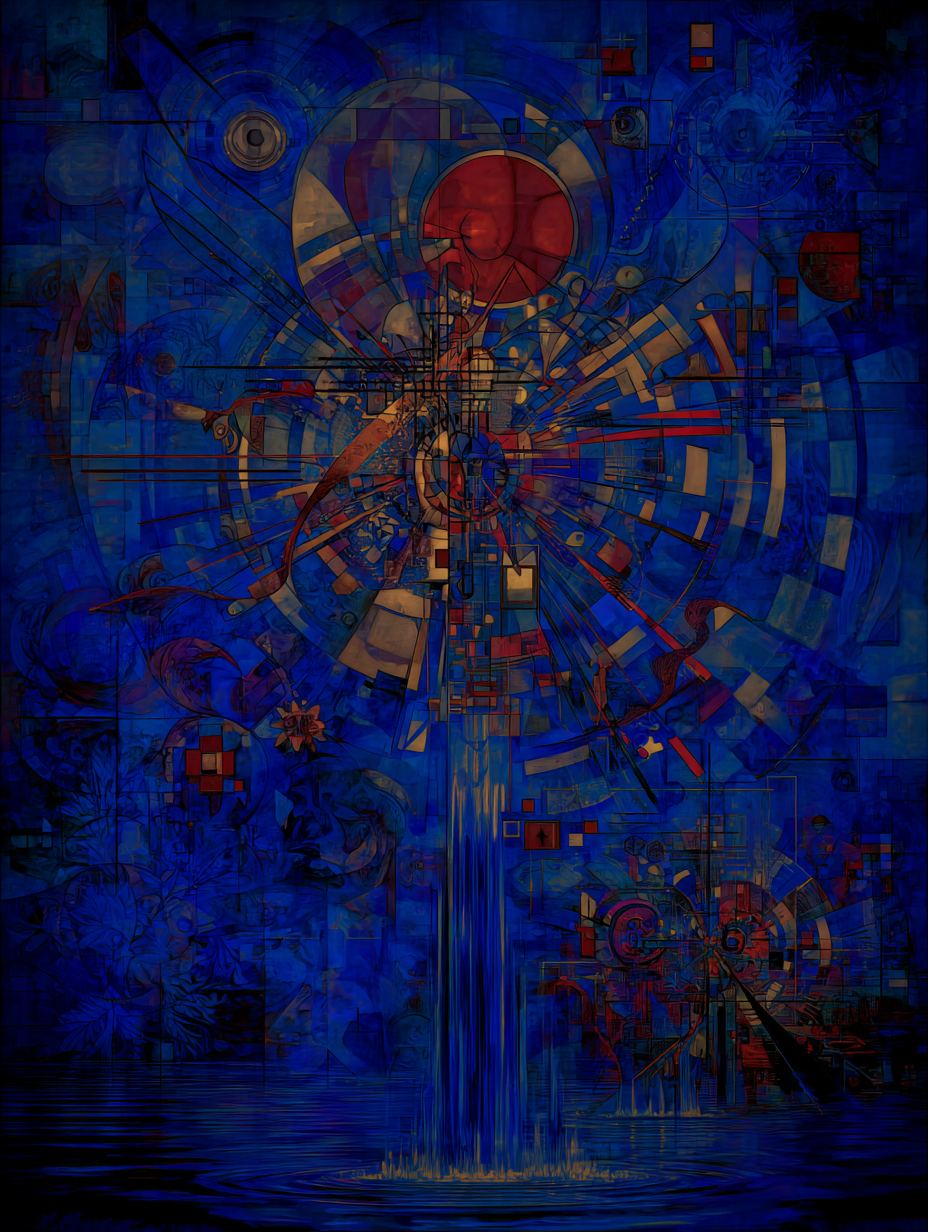
Image: I’m Sorry, Dave (AI-assisted digital image) by O:JA&L staff creative. 2026. Public domain via Midjourney AI.
OJAL Art Incorporated, publishing since 2017 as OPEN: Journal of Arts & Letters (O:JA&L) and its imprints Buttonhook Press, HOT BUTTON PRESS Contemporary Issues, and HIGH BUTTON PRESS Contemporary Art, supports writers and artists worldwide.
BUTTONHOOK PRESS MASTERS SERIES
Click on the titles to explore or download the free PDF chapbooks.
The Buttonhook Press Masters Series: Brian Clements on Prose Poetry
With an Interview by Associate Editor Pamelyn Casto
The Buttonhook Press Masters Series: Mark Budman on Flash Discourse
With an Interview by Associate Editor Pamelyn Casto
The Buttonhook Press Masters Series: Ray Gonzalez on Prose Poetry
With an Interview by Associate Editor Pamelyn Casto
The Buttonhook Press Master Series: Michael Martone on Flash Fiction
With an Interview by Associate Editor Pamelyn Casto
The Buttonhook Press Master Series: Roberta Allen on Flash Fiction
With an Interview by Associate Editor Pamelyn Casto
The Buttonhook Press Master Series: Peter Conners on Flash Fiction
With an Interview by Associate Editor Pamelyn Casto
The Buttonhook Press Masters Series: Maxine Chernoff on Prose Poetry
With an Interview by Associate Editor Pamelyn Casto
The Buttonhook Press Masters Series: Pedro Ponce on Flash Fiction
With an Interview by Associate Editor Pamelyn Casto
The Buttonhook Press Masters Series: Tom Hazuka on Flash Fiction
With an Interview by Associate Editor Pamelyn Casto
The Buttonhook Press Masters Series: Kent Dixon on Flash Fiction & Nonfiction
With an Interview by Associate Editor Pamelyn Casto
The Buttonhook Press Masters Series: Jim Meirose on Experimental Discourse
With an interview by Associate Editor Warwick Newnham
O:JA&L’S HIGH BUTTON PRESS ART CHAPBOOKS
Click on the titles to explore or download the free PDF chapbooks.
RITES OF CALIBRATION: Images & Excerpts
Fine Art Photography by Rex Wilder
Fine Art Photography by Natalie Christensen
Painting and drawing by Anne-Marie Brown
BY LAND AND BY SEA: Awakening the Sensual
Sculpture and Installation by Mark Yale Harris
Painting and drawing by Bette Ridgeway
Painting and drawing by Kathleen Frank
Painting and drawing by Catherine Eaton Skinner
Implications of Energy
Artist portfolio of Dr. Ernest Williams III

