

HAL: Heuristic Algorithmic Library
American Chapbooks: Reconfiguring Literary and Artistic Prestige
A HOWLING AT THE THRESHOLD:
Transformation and Wildness in Wolf by Bruce McRae
A REVIEW
Author: Bruce McRae
Title: Wolf
Publisher: Buttonhook Press (an imprint of OPEN: Journal of Arts & Letters)
Year: 2024
ISBN: [Not listed]
O:JA&L Buttonhook Press Chapbook Series.
Publisher’s official page for the chapbook.
Follow this link to explore or download the free PDF chapbook.
WOLF by Bruce McRae is a chapbook that howls with existential resonance, blending magical realism and lyric narrative to probe the boundaries between wildness and civilization. McRae, a Canadian musician and multiple Pushcart nominee, is celebrated for his inventive poetic voice and has published widely in journals such as Poetry, Rattle, and North American Review. This collection, part of the O:JA&L 2024 Chapbook Series, offers a portfolio of poems that meditate on the wolf as both mythic figure and mirror for human longing, alienation, and transformation.The central motif of Wolf is the wolf itself, a creature that embodies both the wild and the domesticated, the sacred and the profane. The poems traverse a landscape of transformation—wolves become men, men become wolves, and the boundaries blur. In “One Day the Wolf,” the wolf sheds its fur, dons human habits, and ultimately returns to the forest, suggesting that some stories, and some natures, never truly end. Other poems, like “Interview with a Wolf,” use dialogue to explore identity, hunger, and mortality, with the wolf serving as a philosophical interlocutor.
McRae’s wolves are not merely animals; they are avatars of loneliness (“Lone Wolf”), sorrow (“Blue Wolf”), and existential questioning (“Wolf Says”). The collection interrogates the mythic and folkloric roles of wolves, subverting expectations and refusing easy moral binaries. The wolf is sometimes a victim, sometimes a predator, always a figure of restless energy and unresolved longing.McRae’s style is marked by vivid imagery, inventive metaphor, and a willingness to experiment with form. The poems oscillate between free verse and more structured lines, often employing indented block quotes and forward slashes to indicate line breaks, as recommended for poetry reviews. His language is muscular and evocative, with lines like “Whose heart is no larger than a minute. / Whose eyes are rubies down a drain” (“Blue Wolf”) and “Voice like an empty tomb. / Mouth that’s a sack of old breaths” (“Lone Wolf”).
The chapbook’s tone is often elegiac, but it is leavened by moments of dark humor and surreal invention. McRae’s wolves speak, dream, and philosophize, their voices alternately tender and ferocious. The poet’s use of repetition, allusion, and mythic imagery creates a sense of ritual and incantation, drawing the reader into a liminal space where transformation is always possible.The collection is organized thematically, with each poem offering a distinct perspective on the wolf motif. The poems are ordered to suggest a narrative arc—from transformation and domestication (“One Day the Wolf”) to existential questioning (“Interview with a Wolf,” “Wolf Says”), to mythic and cosmic meditations (“Wolf Moon,” “A Wolf May Look at A Moon”). The chapbook’s structure allows for both continuity and variation, with recurring motifs (moon, hunger, solitude) weaving the poems together.
McRae’s poems are rich with quotable lines. For example:
“One day the wolf threw off its fur and began to walk / on its hind legs, replacing its claws with ten little fingers. / Its growl became a smile; then it became another language.” (“One Day the Wolf”)
“Wolf: I am you, in the cloth of multitudes. / We sleep in the crook of your mind.” (“Interview with a Wolf”)
“I love the blizzards / but loathe December. / That’s not my moon / and unbecoming yelp.” (“Wolf Says”)
These lines exemplify McCrae’s ability to blend the surreal with the intimate, the mythic with the mundane.
WOLF stands out for its sustained engagement with the wolf as a symbol of both personal and collective experience. Compared to McRae’s previous work, which often explores themes of transformation and existential uncertainty, this chapbook is more focused, using the wolf as a lens for examining the human condition. The poems are honest and unflinching, refusing sentimentality while offering moments of genuine pathos.
Critical reception of McRae’s poetry highlights his lyricism, narrative skill, and willingness to confront difficult questions. Reviews note his ability to evoke both joy and sorrow, often within the same poem. The chapbook’s magical realism and mythic undertones place it in conversation with contemporary poetry that seeks to re-enchant the world, while its existential themes recall the work of poets like Ted Hughes and Louise Glück.
WOLF by Bruce McRae is a compelling, inventive chapbook that will appeal to readers who appreciate poetry that is both mythic and deeply personal. Its exploration of transformation, alienation, and wildness is nuanced and resonant, offering a fresh take on the wolf as literary and cultural symbol. The collection is recommended for those who enjoy lyric poetry, magical realism, and philosophical inquiry, as well as for anyone interested in the ongoing dialogue between nature and culture.
McRae’s wolves are unforgettable—by turns mournful, wise, and ferocious. The chapbook’s structure, style, and thematic coherence make it a standout addition to contemporary poetry, and its honest, balanced critique of the human condition ensures its lasting relevance.
O:JA&L BUTTONHOOK PRESS CHAPBOOK SERIES. Publisher’s official page for the chapbook. Follow this link to explore or download the free PDF chapbook.
SOURCES CITED:
O:JA&L Buttonhook Press Chapbook Series. Publisher’s official page for the chapbook. Follow this link to explore or download the free PDF chapbook.
Trouvaille Review: “Running with the Wolves by Bruce McRae”. External review and critical reception.
OPEN: Journal of Arts & Letters: “One Day the Wolf” by Bruce McCrae. Sample poem and additional context.
Click on the subtitle A REVIEW to download this free PDF pamphlet.
About Bruce McRae:
BRUCE MCRAE, a Canadian musician, is a multiple Pushcart nominee with poems published in hundreds of magazines such as Poetry, Rattle and North American Review. The winner of the 2020 Libretto prize and author of four poetry collections and seven chapbooks, his poems have been broadcast and performed globally.
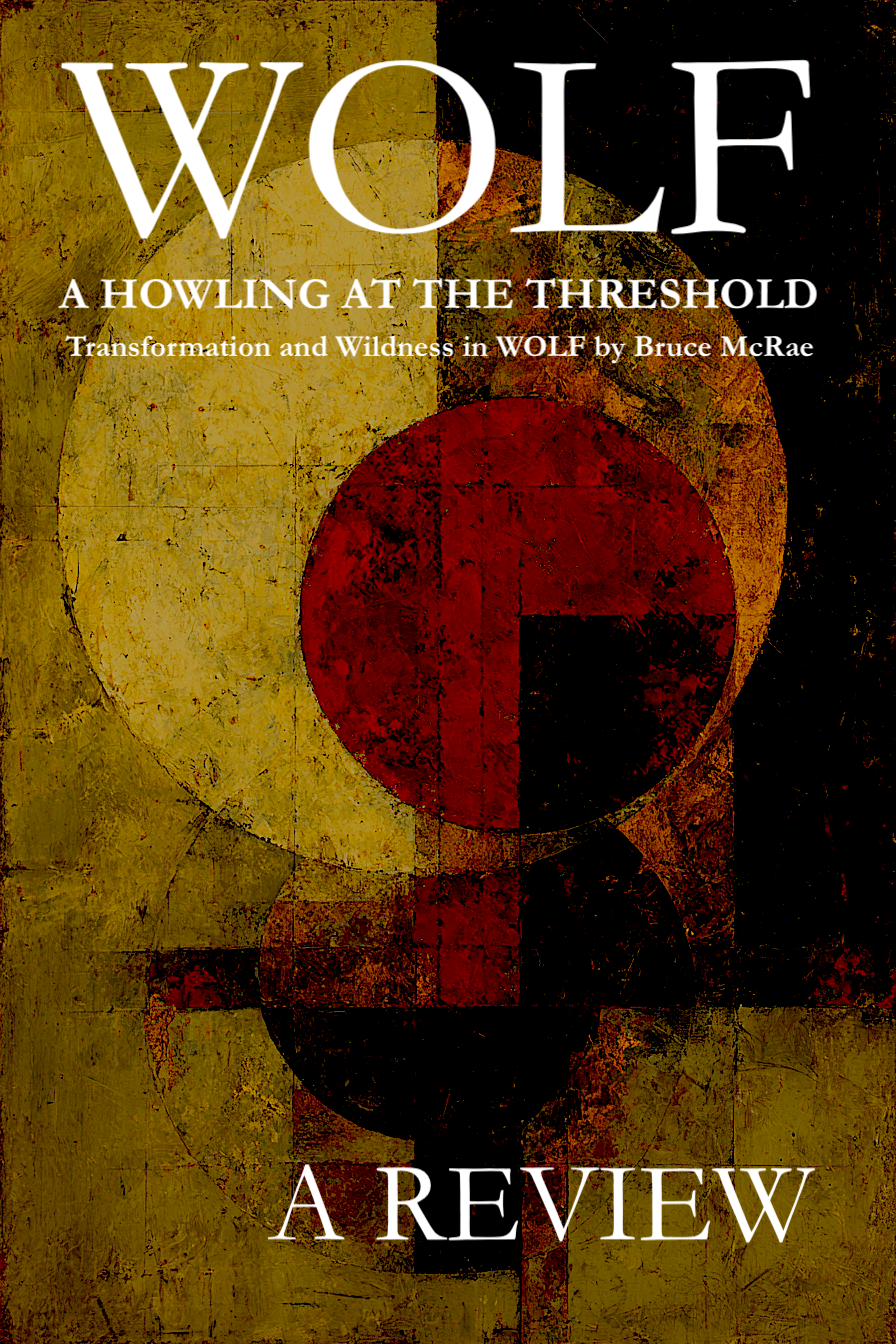
Image: I’m Sorry, Dave #12/14 (AI-assisted digital image) by O:JA&L staff creative. 2026. Public domain via MidJourney AI.
OJAL Art Incorporated, publishing since 2017 as OPEN: Journal of Arts & Letters (O:JA&L) and its imprints Buttonhook Press, HOT BUTTON PRESS Contemporary Issues, and HIGH BUTTON PRESS Contemporary Art, supports writers and artists worldwide.
O:JA&L’S BUTTONHOOK PRESS MASTERS SERIES
Click on the titles below to explore or download the free PDF chapbooks in the O:JA&L Masters Series.
The Buttonhook Press Masters Series: Brian Clements on Prose Poetry
With an Interview by Associate Editor Pamelyn Casto
The Buttonhook Press Masters Series: Mark Budman on Flash Discourse
With an Interview by Associate Editor Pamelyn Casto
The Buttonhook Press Masters Series: Ray Gonzalez on Prose Poetry
With an Interview by Associate Editor Pamelyn Casto
The Buttonhook Press Master Series: Michael Martone on Flash Fiction
With an Interview by Associate Editor Pamelyn Casto
The Buttonhook Press Master Series: Roberta Allen on Flash Fiction
With an Interview by Associate Editor Pamelyn Casto
The Buttonhook Press Master Series: Peter Conners on Flash Fiction
With an Interview by Associate Editor Pamelyn Casto
The Buttonhook Press Masters Series: Maxine Chernoff on Prose Poetry
With an Interview by Associate Editor Pamelyn Casto
The Buttonhook Press Masters Series: Pedro Ponce on Flash Fiction
With an Interview by Associate Editor Pamelyn Casto
The Buttonhook Press Masters Series: Tom Hazuka on Flash Fiction
With an interview by Associate Editor Pamelyn Casto
The Buttonhook Press Masters Series: Kent Dixon on Flash Fiction & Nonfiction
With an interview by Associate Editor Pamelyn Casto
MORE TITLES IN PRESS

